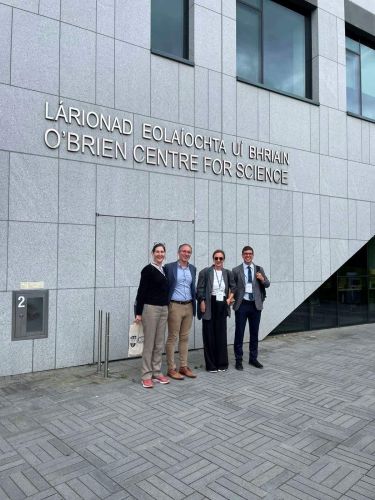
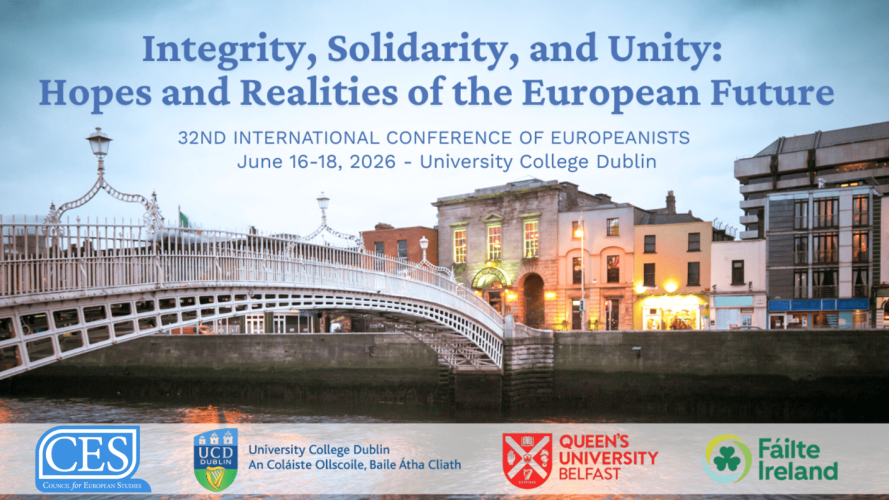
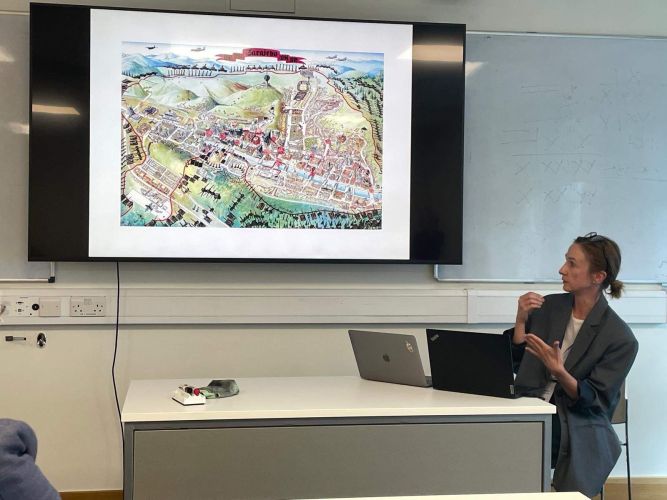
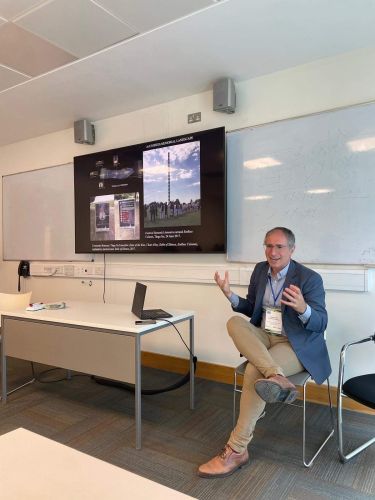
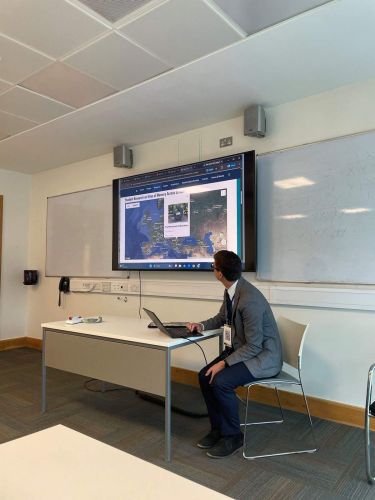
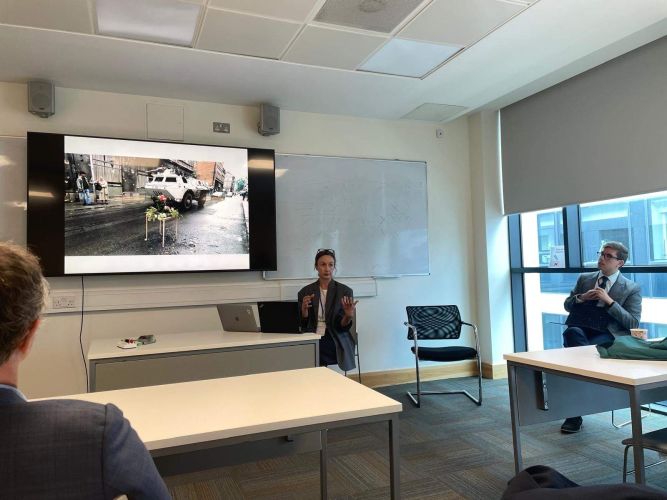
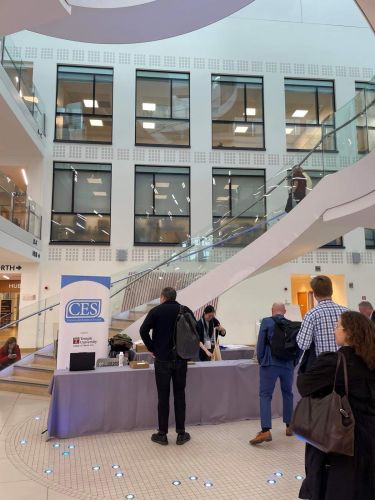
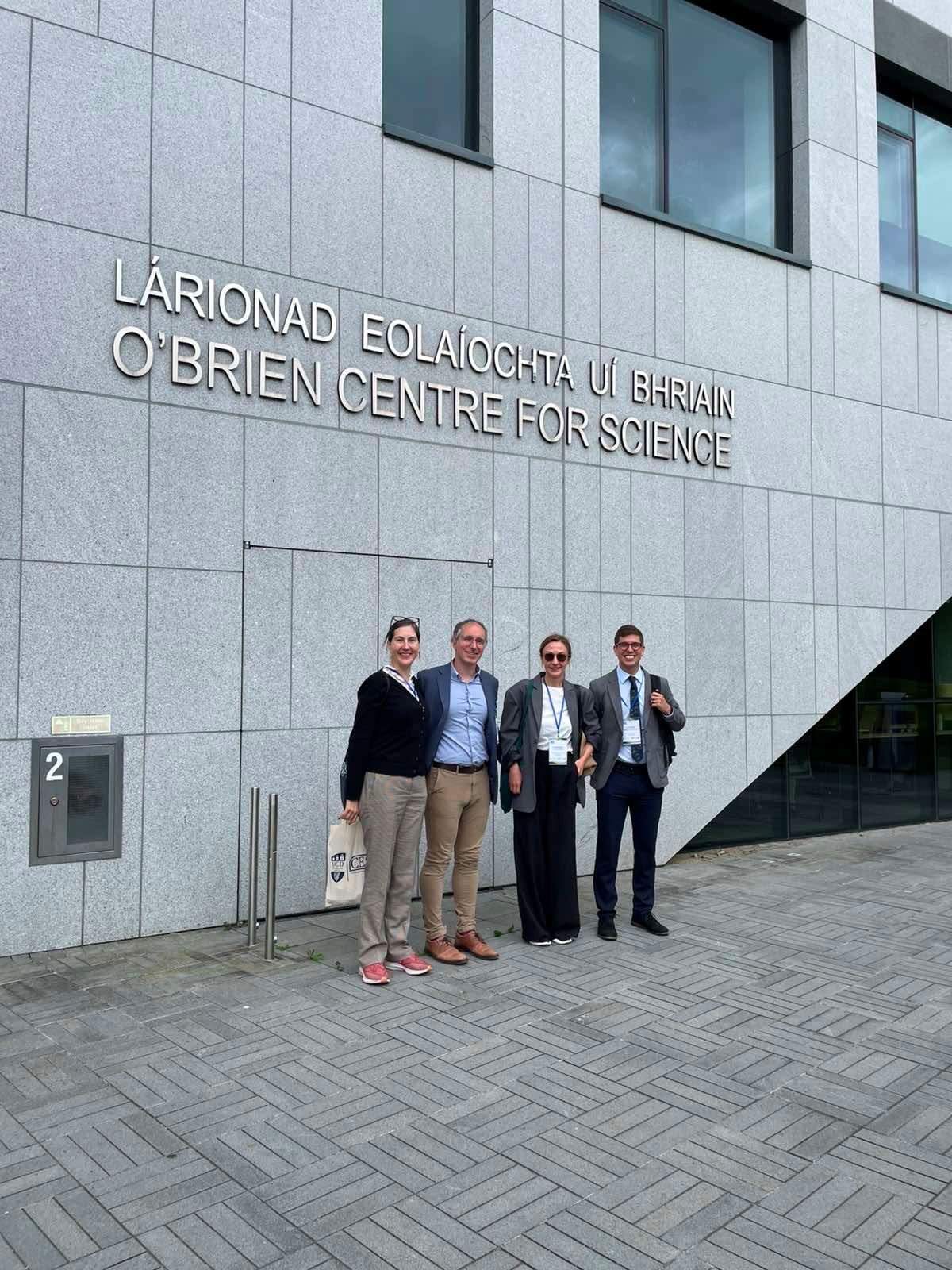
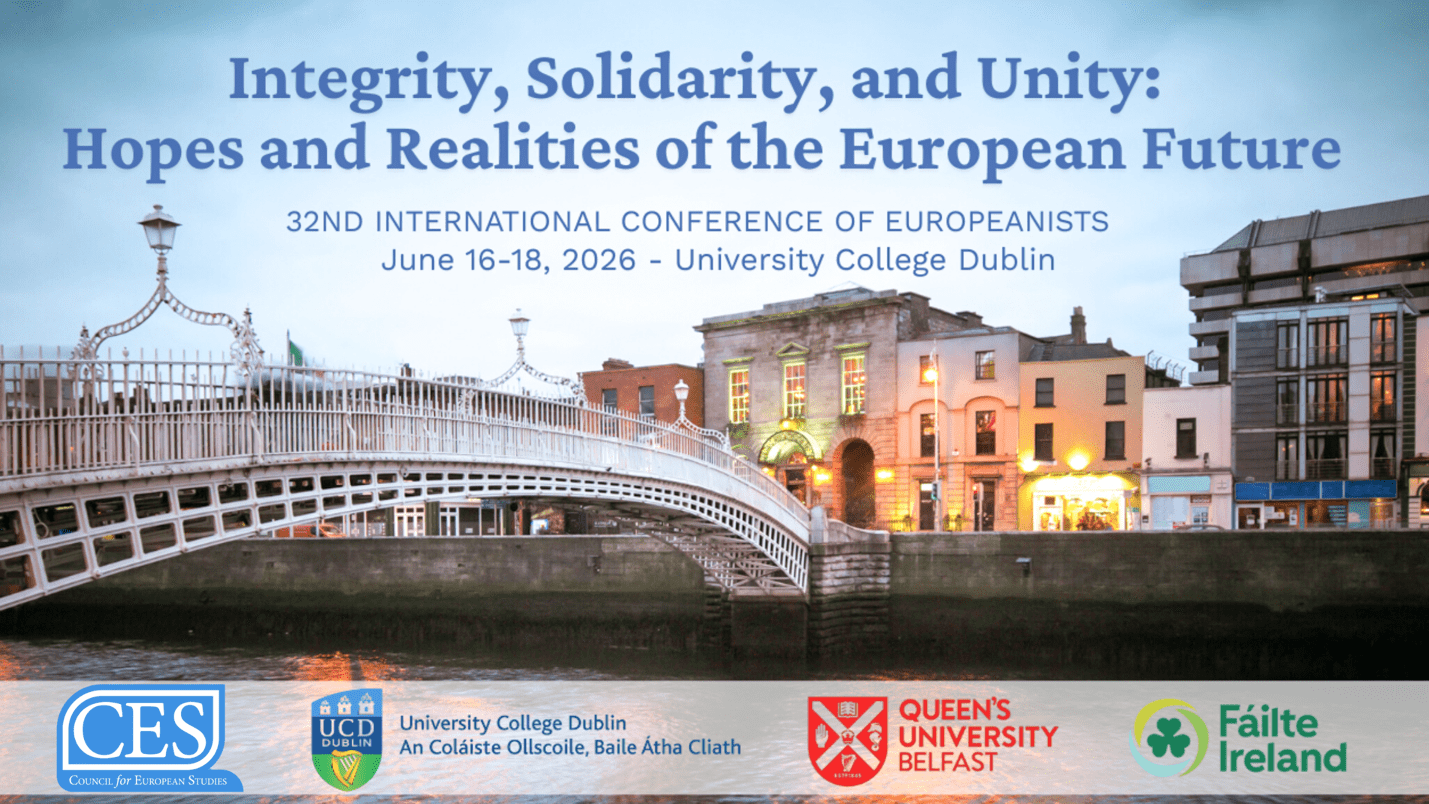
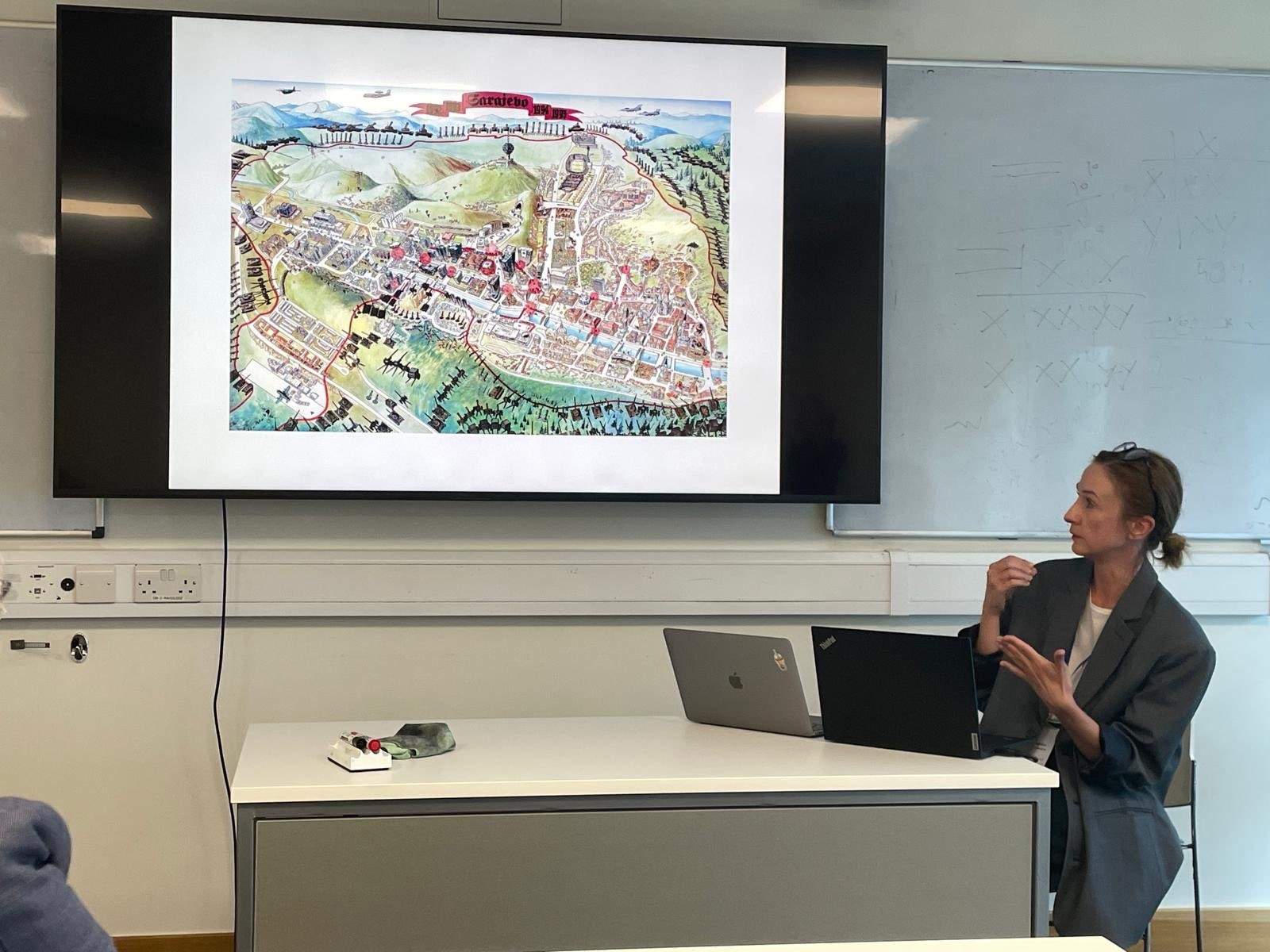
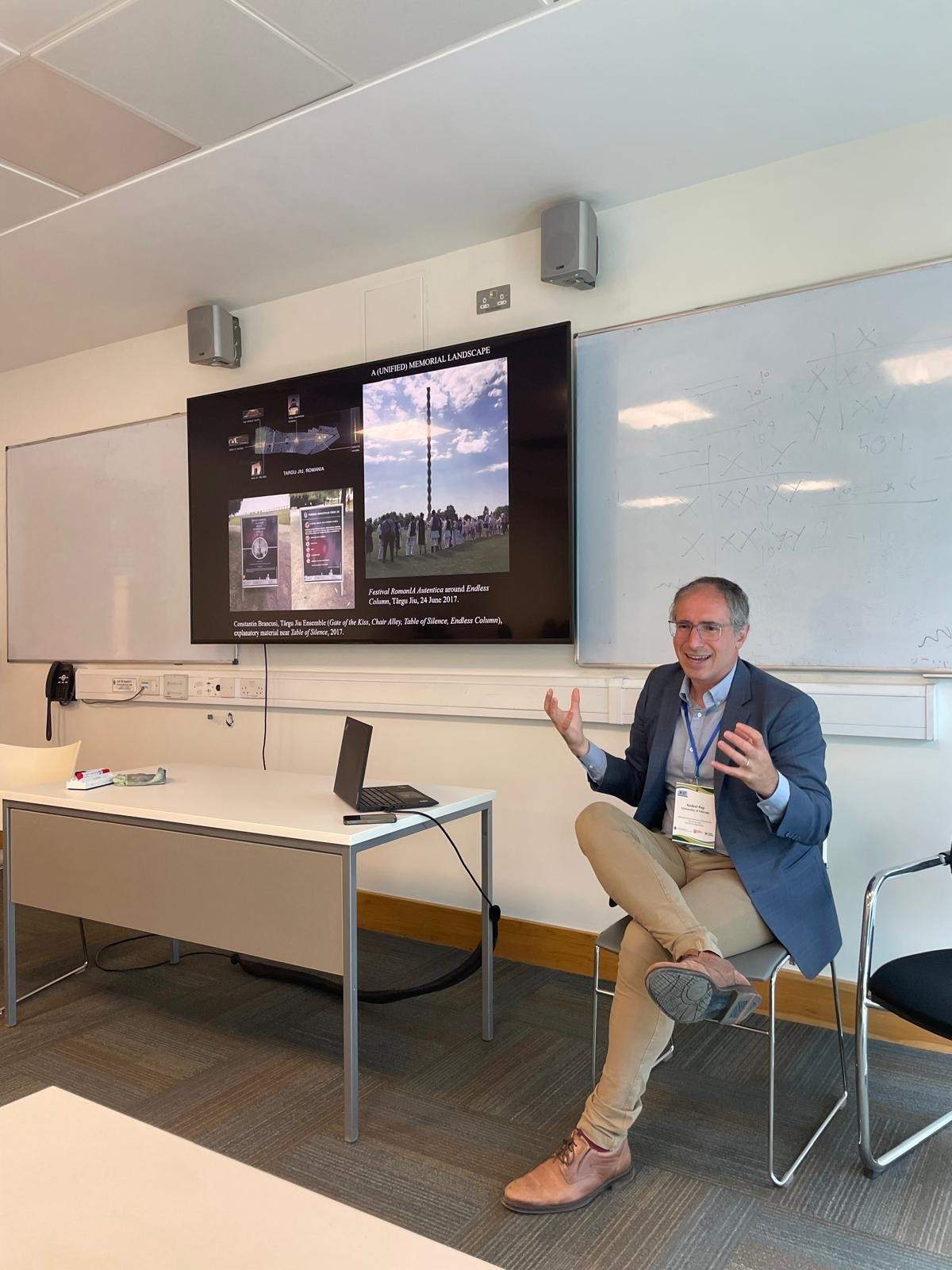
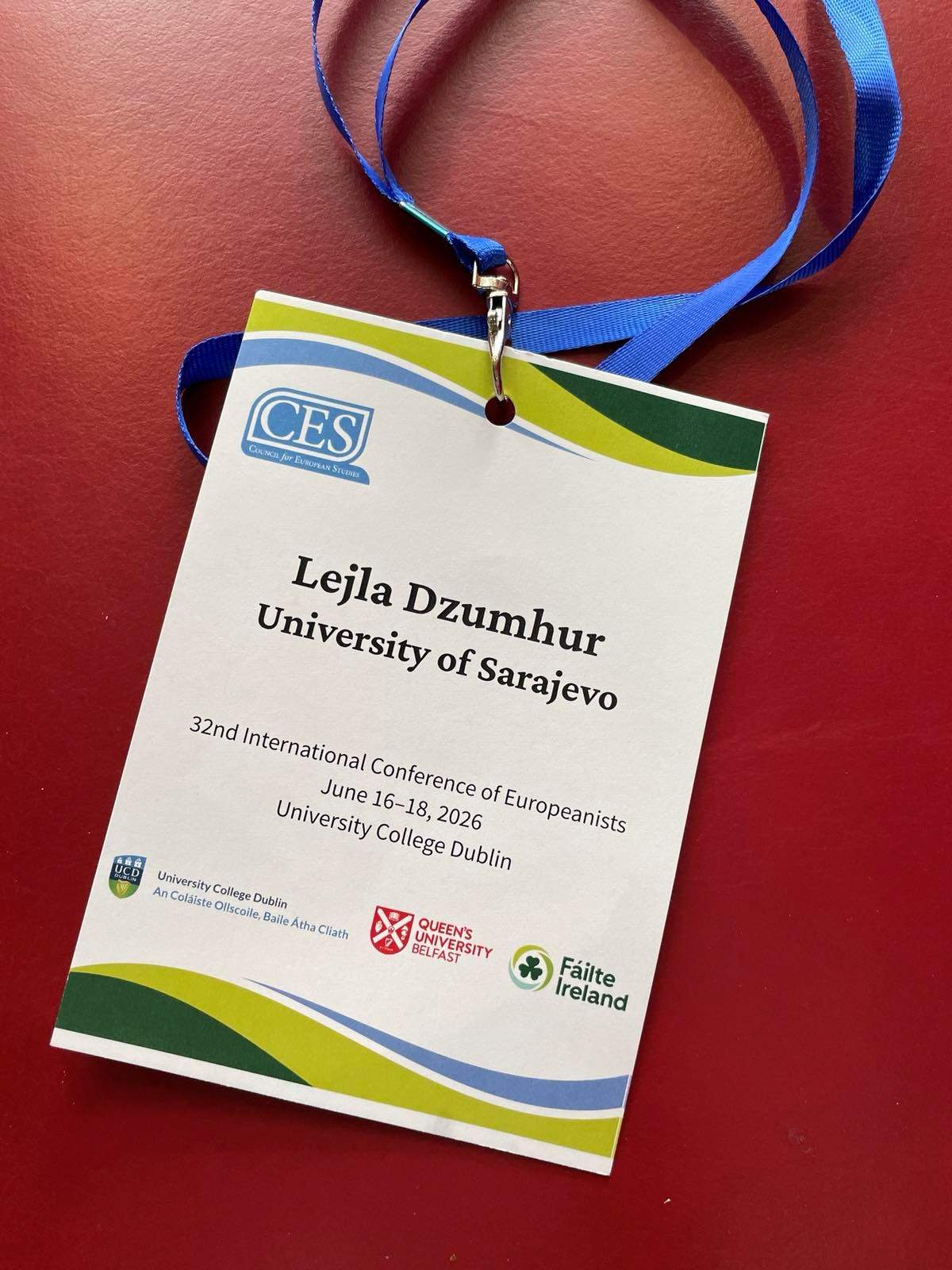
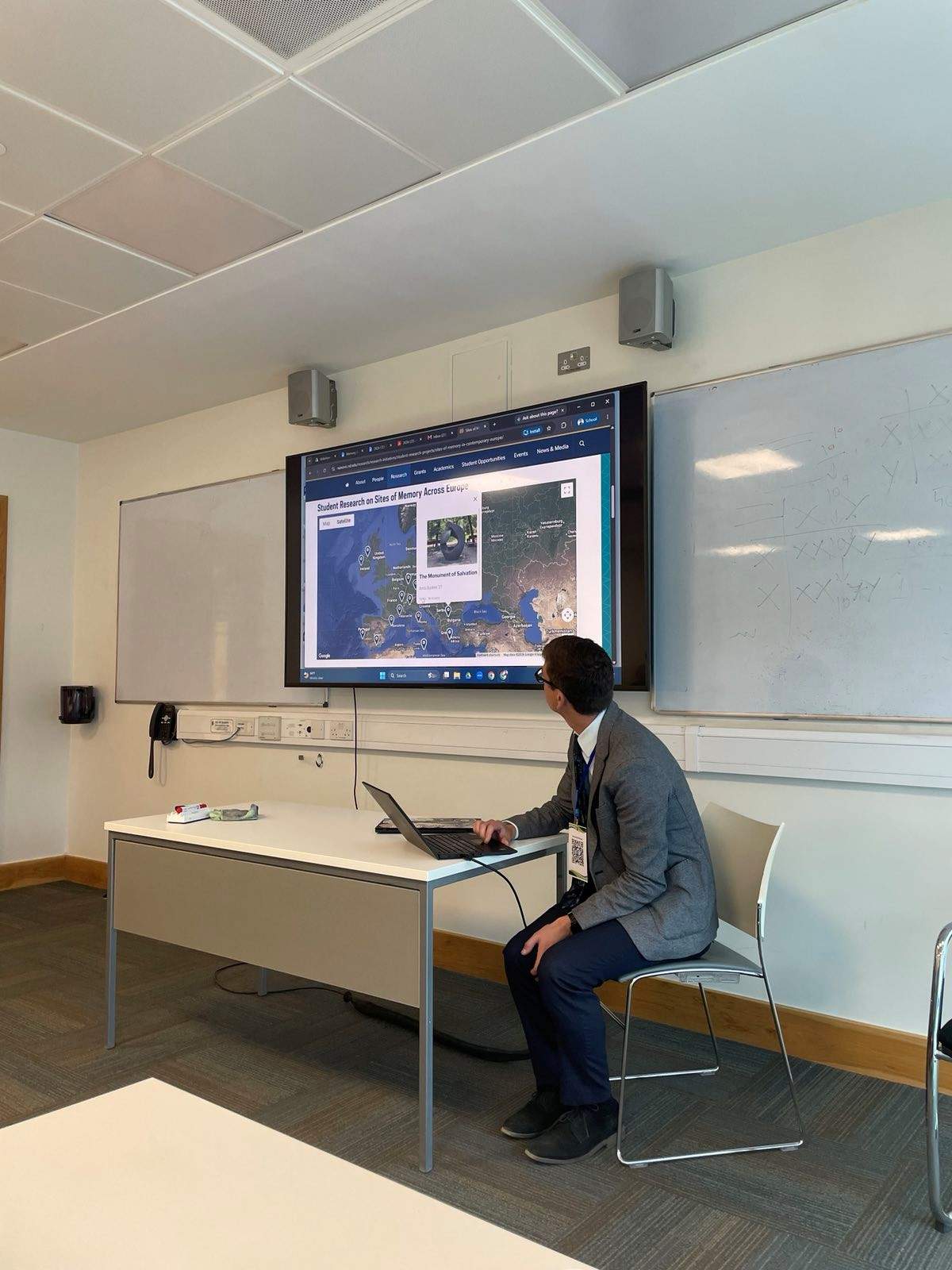
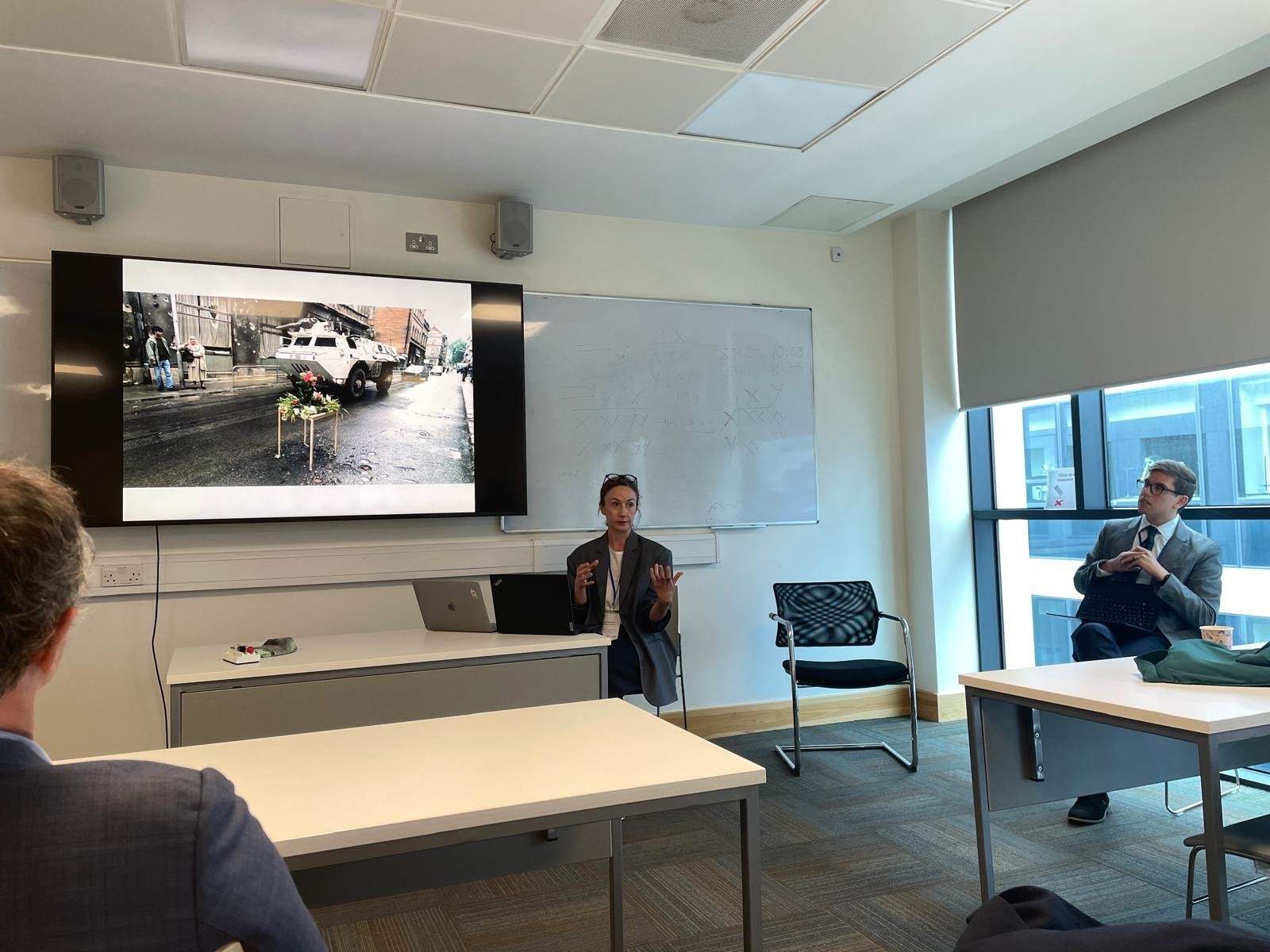
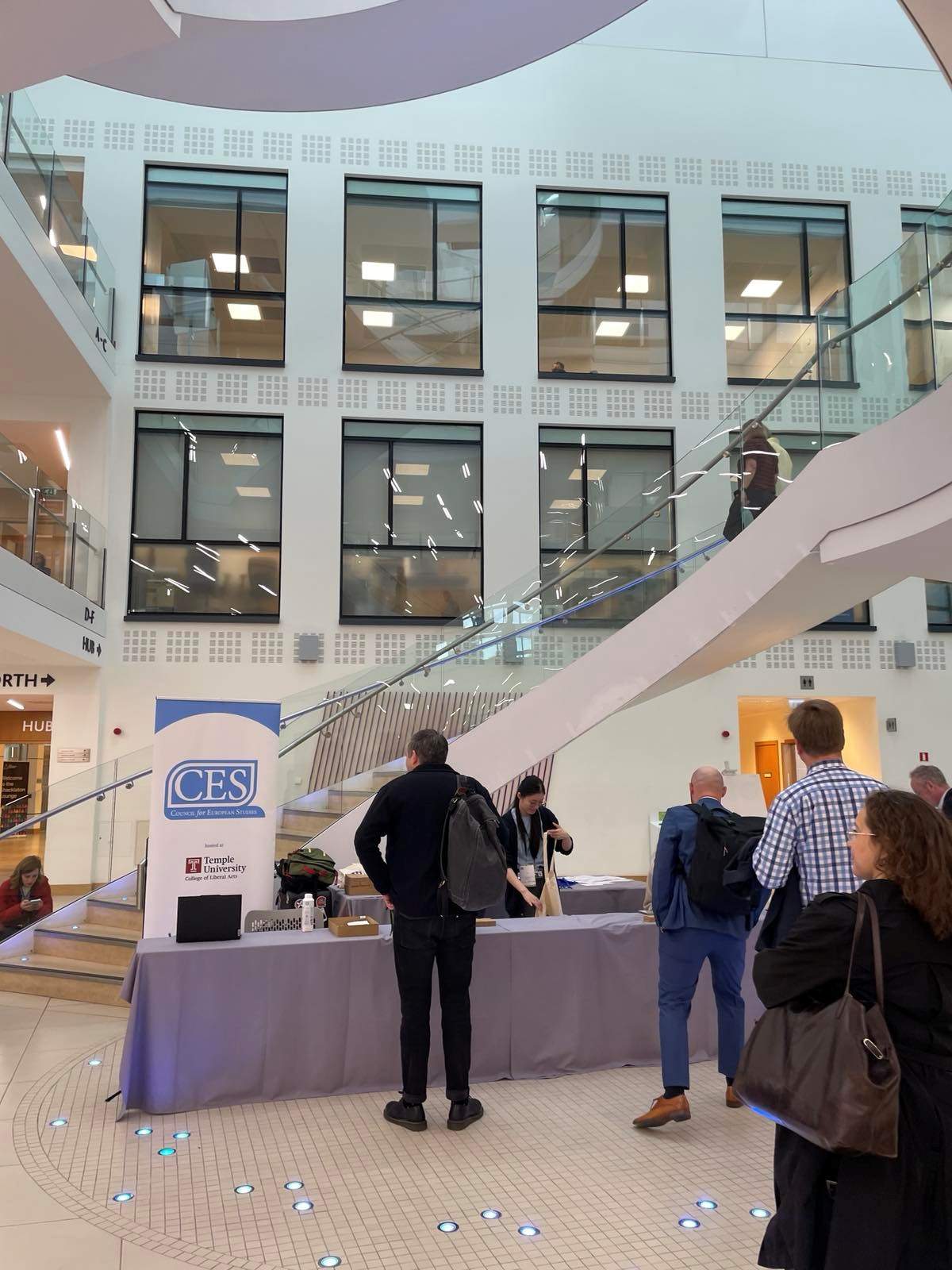
Associate Professor Dr. Lejla Džumhur, from the Department of Theory and History of Architecture and Protection of Built Heritage, participated from 16–18 June in the 32nd International Conference of Europeanists at University College Dublin (UCD), Ireland, organized by the Council for European Studies (CES): https://councilforeuropeanstudies.org/conferences/upcoming-conferences/. The invitation was extended by the Nanovic Institute for European Studies at the University of Notre Dame.
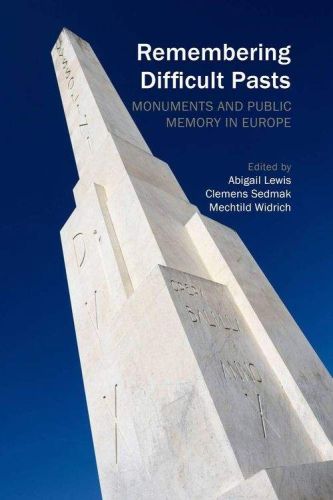
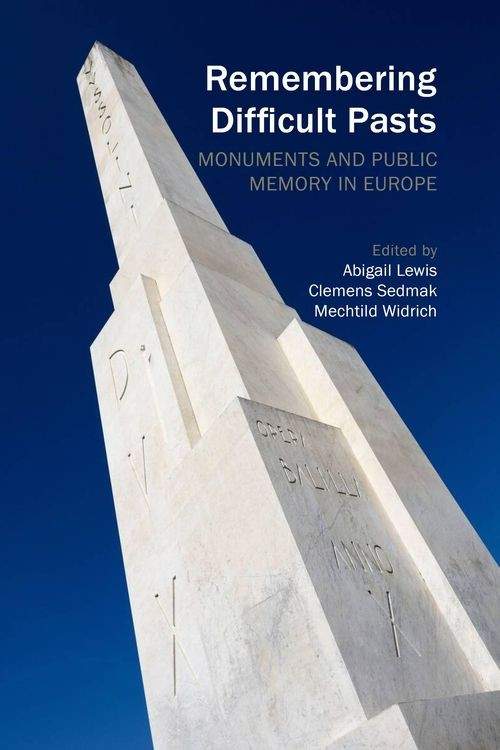
On 16 June, Dr. Džumhur participated as a panelist in a specialized book panel dedicated to the forthcoming scholarly volume Remembering Difficult Pasts: Monuments and Public Memory in Europe, to which she contributed a chapter upon invitation from the Nanovic Institute. The volume, edited by Abigail E. Lewis, Mechtild Widrich, and Clemens Sedmak, is currently under contract with Agenda Publishing as part of the Understanding Europe series: https://edinburghuniversitypress.com/book-remembering-difficult-pasts.html. It is expected to be published as an open-access publication bringing together a diverse group of scholars working on memory studies across Europe.
Panelists included: Abigail Lewis (Temple University), Mechtild Widrich (School of the Art Institute of Chicago), Andrei Pop (University of Chicago), Jacob Kildoo (University of Notre Dame), Lejla Džumhur (University of Sarajevo, Faculty of Architecture), and Magdalena Lemańczyk (Institute of Political Studies, Polish Academy of Sciences).
“Monuments and memorials, as symbols intentionally constructed in the environment, provide important frameworks for understanding how narratives of the past are constructed and reconstructed over time. Europe’s memorial landscape is marked by ongoing debates about which pasts should be remembered, how they should be remembered, and whose responsibility it is to remember.
This book presents a range of case studies from the United Kingdom to Ukraine, exploring how European societies have grappled with difficult pasts—whether traumatic, controversial, exclusionary, propagandistic, or even embarrassing—through the built environment. Across national contexts, the contributors examine how different countries, at different historical moments, have memorialized complex histories including fascism, socialism, the Holocaust, colonialism, and other forms of contemporary violence, as well as how they have removed monuments, memorials, and architectural works in response to both remembering and forgetting.
The book further considers how memory can both divide and unite an increasingly globalized European population, questioning the stakes of memory in Europe and how European societies construct their diverse and shared historical narratives.”